Is Ayahuasca Endangered? Will She Go Extinct?
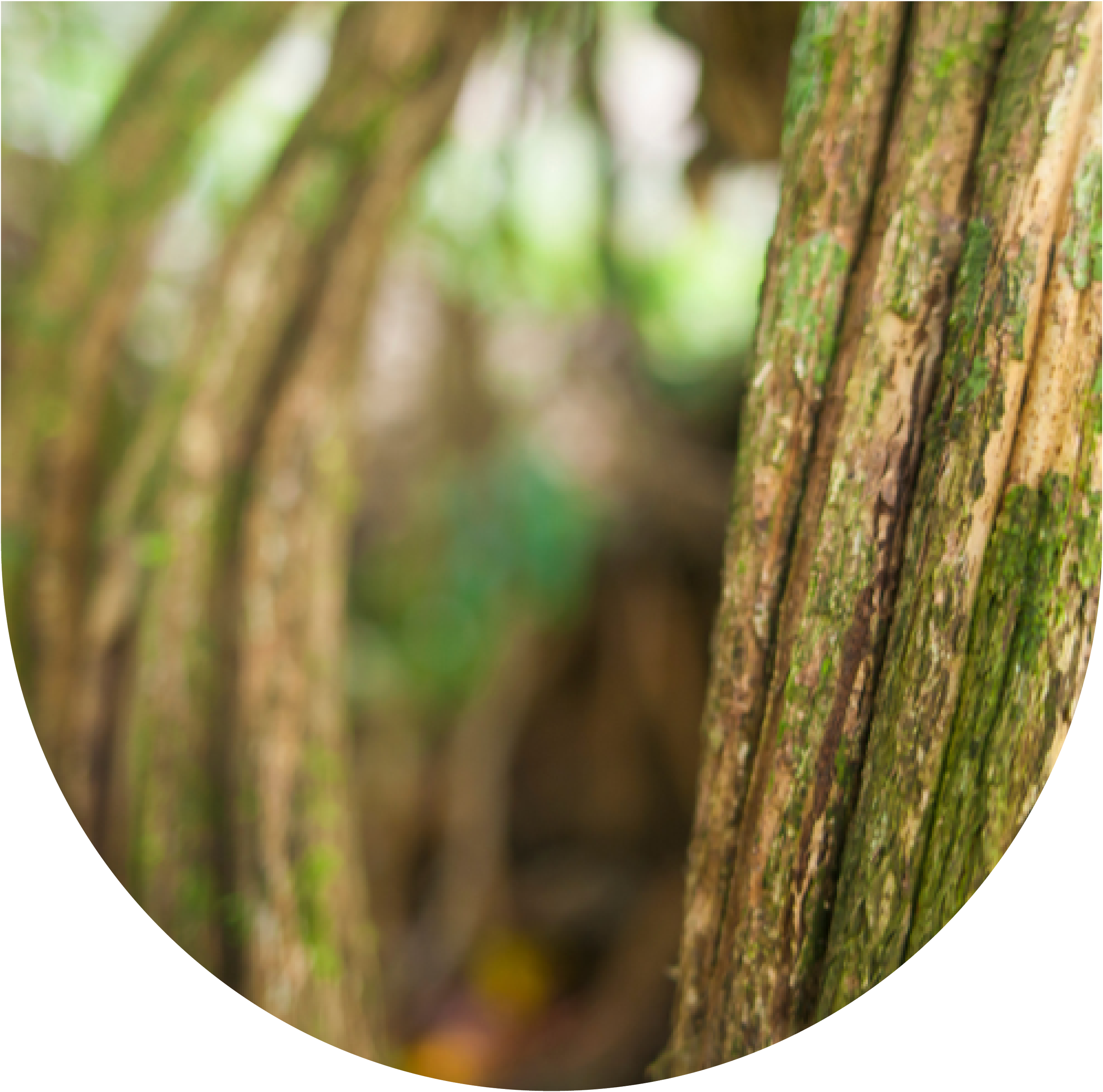
Over the past few decades, Ayahuasca went from being barely known outside of her homeland in the Amazon jungle to a massive expansion of tourism for spiritual seekers coming to sit with her medicine as well as the Banisteriopsis caapi vine and companion plants like chacruna from which she is brewed being exported all over the globe.
This “vine of the soul” is not just a commodity or resource. She is a living master teacher with many tribes that hold her rich traditions and cultural heritage. With this intensive expansion, is it time to ask “Is Ayahuasca endangered?”
In this blog, I will explore the ecological, cultural, and spiritual considerations around how we can protect her so that she is around for future generations.
The Growing Demand for Ayahuasca Worldwide
The expansion of Ayahuasca use has of course brought healing to countless seekers around the world. Undoubtedly, we as a collective need her medicine more than ever. However, this is exactly why we should analyze the pressure of this increased demand.
At one time, you had to travel to the jungle and find a tribe that was open to you sitting in ceremony with them in order to experience Ayahuasca’s healing and expansive properties. Now, it seems like there are retreat centers popping up all the time to respond to the rising interest in retreats with the medicine.
Vines are often being overharvested to meet the needs, and some are saying that finding thick ayahuasca vines is difficult in certain areas. Others say that they don’t find the vine around the villages anymore and have to go further and further out into the jungle to find her.
Additionally, she is being treated as a commodity, packaged in bags and boxes and shipped to places far from the lands where she is native. This not only removes her from the environmental context of her energy and land she is connected to, it also separates her from the indigenous tribes that have protected her and the traditions they hold which preserve her sacredness.
Often, these peoples are also being separated from their native lands, further severing these connections between Ayahuasca, her homeland in the jungle, and the indigenous peoples who honor and protect her. The expansion across the globe increases the disconnect through cultural appropriation and misuse of her medicine.
Is Ayahuasca Endangered?
As mentioned, many are reporting difficulty finding mature vines in her native homelands like Peru. While she is not officially listed as endangered, that does not mean that the issues are not mounting around her possible extinction. While some groups are beginning to plant her, the massive loss of mature wild vines should be cause for alarm.
According to the Temple of the Way of the Light, it takes at least 10 years for an Ayahuasca plant to grow to maturity such that she can be harvested for medicine. If plants are already diminishing, this means we need many plants getting into the ground faster than they are being removed for human use.
In many regions of the Amazon like Peru and Brazil, there has been mass clearing of land for cattle, the removal of rubber, and extraction of other commodities as well as farmland. Without the cover of the forest itself, the soil there quickly becomes dry and infertile since it is very thin with rock beneath. When that forest is cleared, not only can Ayahuasca not grow there, but within a few years the land itself is barren, leading them to clear more land.
This threat on the entire natural habitat of course not only leaves less homeland for Ayahuasca to grow but also all of the thousands of medicinal plants, endangered species of animals and insects, and all of the Amazonian ecosystem lose their home. Not only does this limit the availability of ayahuasca, but it affects the global ecosystem as well.
The Role of Indigenous Stewardship in Protecting Ayahuasca
Honoring the traditional people who hold the ancestral responsibility for the vine is essential for her preservation. These people replant and cultivate her, and they treat the plant and her medicine with respect and reciprocity.
If we want to be able to sit with Ayahuasca, we need to treat her plant, her homeland, and the indigenous people who hold her lineages and sacred use with the same dignity and reciprocity. These people know that she is more than just a plant as she is woven into their communities and culture.
She plays and integral role in their spiritual lives, and many of them are spearheading her conservation efforts. They are her guardians, and their sovereignty over their native lands and cultural heritage is essential for also preserving this magical plant being and the rituals and practices that have long been associated with her through them.
Pathways Toward Sustainability and Protection
Luckily, there are tangible steps we can take to protect Ayahuasca, her companion plants, the native lands on which she thrives, and the indigenous peoples who carry her traditions and wisdom.
The biggest need is getting plants back in the ground, and this needs to happen more than they are being removed to ensure her long-term survival. All centers and retreat holders who are utilizing this medicine as part of their ceremonies must be encouraged to play a role in getting more vines planted as a part of their process or they are adding to the overexploitation.
If they cannot plant her themselves, if you are going to sit with the medicine, I would strongly urge you to sit with people who at least take responsibility to donate a portion of their revenue to her regenerative cultivation.
Another possibility is being explored by Temple of the Way of the Light which puts planting Ayahuasca as a central part of the local farming system, incorporating her planting with trees and other crops. This recreated habitat for her as well as vital income for local families. By supporting people using sustainable options, they hope to create long term solutions both for the future of Ayahuasca as well as revitalizing the landscape and the peoples who live there.
Our Responsibility to the Medicine
Conservation efforts to preserve the Amazonian lands in which Ayahuasca grows is also essential. As mentioned, when the forest is slashed and burned for immediate farmland that only lasts a few years, the trees and plants that kept the land fertile as well as sacred are gone.
Getting them back is more difficult and takes the collaboration of conservationists, spiritual communities, scientists (who also harvest the plant for the growing studies being done on her), and the native peoples who preserve her traditions as well as the physical plant.
Even if you are not able to plant her yourself, if you work with this medicine, you can support the projects ensuring she does not go extinct. You can contribute to the people putting her plants back into the ground.
Additionally, when you are discussing sitting in ceremony with a particular center, make sure that asking how they contribute to her replanting as well as supporting the indigenous communities that protect her are a part of the questions you ask.
The Spiritual Implications of Ayahuasca’s Vulnerability
As we come to sit with Ayahuasca to heal, the threat of her extinction is reflective of many aspects of our society as a whole. Not only do we need to come to ceremony with her in reverence, but that reverence needs to be expanded to her sacred land, traditions, and the peoples who have carried her medicine and protect her.
We need to remember that she and other plant medicines are not infinite resources to be continuously extracted from the jungle without regard for overharvesting and respect. This is reflective of a greater pattern of extracting from and exploiting nature, the plants and medicines and the environments in which they grow, as well as the native peoples existing on those same lands.
A shift is necessary in how we approach this. By playing a role in stewardship of the environments in which these plants grow as well as contributing to the responsibility of planting the plants we are coming to for medicine, we shift into reciprocity with the medicines and the earth.
When we have reverence for the indigenous who have carried her for centuries so that we may experience her beauty, we come to her with respect and a sense of giving back to all that has contributed to those of use who need the support of this medicine rather than just being beneficiaries with no care returned to the web of sacredness necessary for these ceremonies to happen.
Walking with Ayahuasca into the Future
The future of Ayahuasca is in our hands. While she may not be officially endangered today, with the growing rate of consumption coupled with environmental destruction, we do not have time to wait for action. With conscious cultivation, indigenous leadership, and global respect, extinction is not inevitable.
One of her many lessons is calling us to give back, to shift from merely taking and instead weaving ourselves into the web that protects her, the Amazon jungle, and the people who have honored and planted her for centuries. We must answer her call to sacred reciprocity, and if we want her to survive, it will take our reciprocity and action to rise to the responsibility of fully participating in the entirety of honoring the sacred ally she is and the allies of hers.
Please continue to educate yourself on sustainable practices around cultivation and harvesting of Ayahuasca as well as all sacred medicines, and join me in spreading the message that this sacred vine now needs us as much as we need her if we want her to thrive for generations to come.
If you are interested in learning how to work with Ayahuasca safely and respectfully, I would be happy to support you. You are welcome to message me through the PMP website as well as to explore our educational resources, ceremonial guidance, and integration support to build a grounded and sacred personal practice.
About the Author
Lindsay Calliandra Rose is a Medicine Carrier, an accomplished herbalist, Plant Medicine integration specialist, and a woman with a profoundly sacred relationship with nature. She began her Plant Medicine journey many years ago with Ayahuasca and Huachuma, and she has completed multiple Master Plant Diets with beings like Rose, Bobinsana, Juniper, Jurema, Cacao, Oak, and Blue Water Lily. Lindsay is an initiated server and carrier of Hapéh. She now works as a preparation and integration guide for those answering the call to work with sacred medicines, and she is apprenticing in the art of guiding Master Plant Diets as well. She is a passionate advocate of safe and transformative experiences with the plants, and she loves helping people navigate these mysterious spaces with grace, love, and support.
