Iboga/Ibogaine: The Hammer of Truth

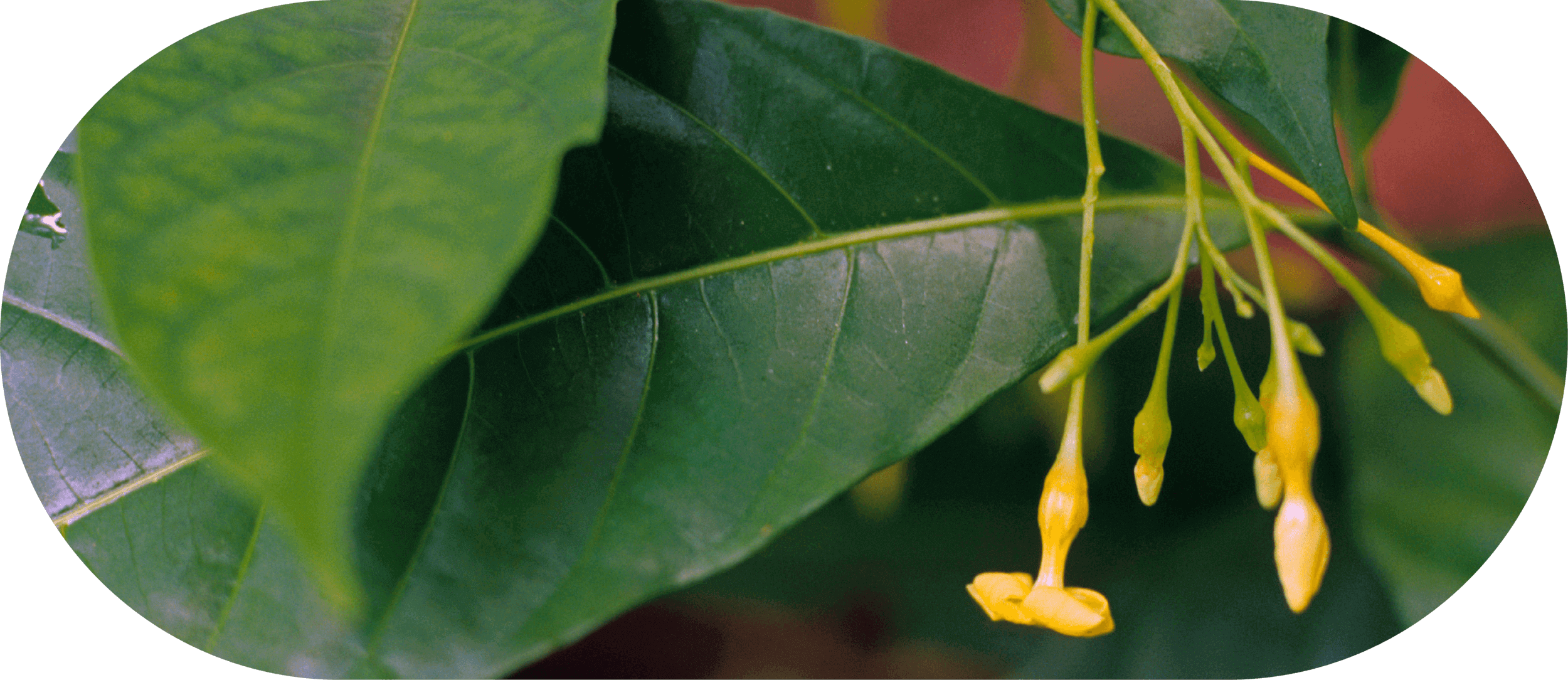
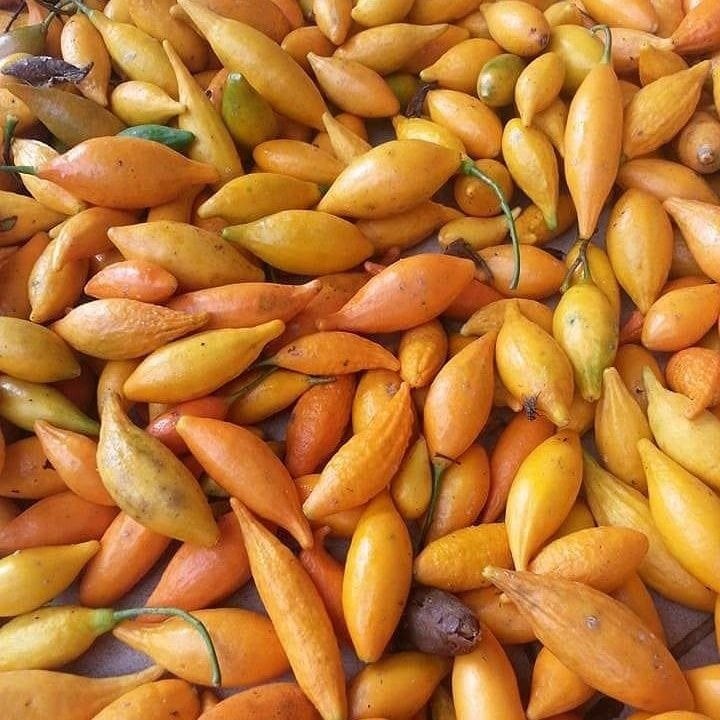
Iboga (Tabernanthe iboga) is a sacred Master Plant from Gabon in West Africa, cultivated and protected by the Bwiti people for thousands of years. His primary alkaloid, ibogaine, has gained worldwide attention for its capacity to reset addictive brain chemistry and facilitate profound life-review experiences. At Plant Medicine People, we honour Iboga as a sentient teacher and partner in consciousness expansion - not a substance to be extracted or commodified.
What is Iboga?
ORIGINS
Iboga is a perennial rainforest shrub native to Central West Africa, where it has been used in healing rituals and spiritual ceremonies for centuries, possibly millennia. The root bark contains a complex profile of over 40 indole alkaloids, the most prominent being ibogaine, which accounts for roughly half of the total alkaloid content.
But to reduce Iboga to his chemistry is to miss the point entirely. In the Bwiti tradition of Gabon, Iboga is not a plant to be studied - He is a teacher to be listened to. The Bwiti have cultivated, protected, and served this Master Plant across generations, developing an intricate ceremonial framework of music, rhythm, fire, and guided introspection that is considered as essential to the healing as the plant itself.
Iboga is arguably the most potent and intensely challenging sacred plant medicine in the world. His ceremonies last at least 12 hours, with after-effects extending for days or even weeks. He requires restraint, profound reverence, and many years of dedicated study before anyone can accurately call themselves a true partner in this work. When someone is called to Iboga, they are called to far more than just a plant - they are called to an entire cultural tradition and a full-scale spiritual journey.
We walk in humble reverence to the Bwiti people who have protected and passed on these traditions, and we are committed to honouring their rights and interests alongside those of the plant Himself.
What Is Ibogaine?
Ibogaine is a naturally occurring psychoactive indole alkaloid extracted from the root bark of the Iboga plant. It is the single most studied compound in Iboga’s complex alkaloid profile and has gained significant attention in clinical and research settings for its remarkable effects on addiction, depression, PTSD, and traumatic brain injury.
Where whole-plant Iboga is traditionally served within the living ceremonial framework of the Bwiti, ibogaine is typically administered as a purified, isolated compound in clinical or semi-clinical settings. It is easier to dose precisely, which makes it applicable for medically supervised protocols - particularly addiction detoxification, where exact dosing and cardiac monitoring are essential.
Research interest has surged in recent years. A Stanford Medicine study published in Nature Mental Health (2025) found that ibogaine, combined with magnesium for cardiac protection, significantly reduced symptoms of PTSD, anxiety, and depression in veterans with traumatic brain injuries. In 2025, the state of Texas allocated $50 million toward clinical ibogaine research, and multiple additional US states have introduced ibogaine-related legislation in the 2025–2026 legislative cycle.
It is important to understand that ibogaine is not Iboga. It is one alkaloid, removed from the context of the whole plant and the tradition that has refined its use over thousands of years. Both have legitimate roles in healing - but they are not interchangeable, and the distinction matters.
What Is the Difference Between Iboga and Ibogaine?
This is one of the most important distinctions in the plant medicine space, and one that is often misunderstood. Iboga is the whole plant - the full root bark containing dozens of alkaloids working together in the way the Bwiti have used for millennia. Ibogaine is a single extracted compound, one piece of a much larger whole.
Iboga
Whole Plant
Ibogaine
Isolated Alkaloid
At Plant Medicine People, we recognise the value in both paths. Ibogaine has helped countless people break free from addiction and reclaim their lives - and that work deserves deep respect. Iboga, within its traditional framework, offers something broader: a full-spectrum encounter with yourself, supported by the plant, the tradition, and those who carry it.
Our Co-Founder Laura has been a pioneer in working with ibogaine to help people heal from near-fatal addictions, and she co-runs an ibogaine detox centre. This gives PMP a rare perspective that bridges both worlds - the clinical and the ceremonial, the isolated compound and the whole plant.
Benefits of Iboga
Iboga’s gifts are many, and they extend far beyond what clinical research alone can capture. Those who have worked deeply with this Master Plant consistently report transformative experiences across physical, psychological, and spiritual dimensions:
Addiction Reset: Ibogaine has demonstrated the capacity to reset addictive brain chemistry toward a pre-addicted state, significantly reducing withdrawal symptoms and cravings. This is particularly well-documented for opioid dependence, though it has also shown promise for alcohol, cocaine, and other substance use patterns.
Life Review: Iboga is famous for giving participants the 30,000-foot view of their lives. Much like the clarity reported in near-death experiences, He allows people to take stock of their experiences, choices, and patterns from an expanded, more detached perspective.
Shadow Work and Ancestral Healing: Iboga’s superpowers include guiding people through intensely beautiful shadow work from the masculine perspective - often involving the processing of anger, abuse, fear, trauma, and depression. He has a particular gift for illuminating ancestral wounds that have been passed down through generations.
Mental Health Support: Those who have worked deeply with Iboga report significant experiences of healing from depression, anxiety, PTSD, and feelings of stagnation or confusion. Research, including the 2025 Stanford TBI study, continues to explore ibogaine’s potential for these conditions.
Divine Masculine Empowerment: Papa Iboga is pure mind medicine. He clears out the clutter of lies and stories and helps people get to the heart of what is true for them and who they want to be. He is a massive dose of empowerment, teaching all those who walk with Him how to show up in their fire and fierceness.
Breaking Through Stagnation: Iboga is an incredible ally for self-discovery and for bursting through feelings of being stuck. He can often tap into repressed memories or forgotten dreams, providing the clarity and momentum needed to move forward with purpose.
These are not promises - they are patterns observed across many years of working alongside this Master Plant. Every journey with Iboga is unique, and outcomes depend on the individual’s readiness, the quality of the ceremonial container, and the depth of integration work that follows.
Safety and Considerations
We believe in being honest about this work. Iboga is one of the most powerful plant medicines on Earth, and with that power comes real responsibility - for practitioners and participants alike.
Cardiac Considerations
Ibogaine interacts with the electrical system of the heart and can cause QT interval prolongation, a condition that may lead to dangerous cardiac arrhythmias in some individuals. Fatalities have been documented in unmonitored or improperly screened settings. This is not something to minimise or gloss over - it is the reason why thorough medical screening and professional supervision are non-negotiable.
Any credible Iboga or ibogaine provider will require, at minimum, a comprehensive health history, a recent electrocardiogram (ECG/EKG), liver function tests, and a full review of current medications before approving anyone for treatment. Anyone who skips this step is putting lives at risk.
Who Should Not Work with Iboga or Ibogaine
Iboga and ibogaine are contraindicated for people with:
Pre-existing heart conditions, particularly those affecting the QT interval
Severe liver or kidney impairment
Current use of certain medications, including SSRIs, MAOIs, opioids (without proper medical taper), and other drugs that affect heart rhythm or serotonin levels
Pregnancy or breastfeeding
Certain psychiatric conditions without proper professional assessment
This is sacred medicine that demands sacred levels of care. If you are considering working with Iboga or ibogaine, please be radically honest about your health history. Your safety is more important than any ceremony.
The Importance of Integration
An Iboga experience does not end when the ceremony does. Integration - the process of weaving insights from the experience into your daily life - is where the real transformation takes root. Without proper integration support, even the most profound ceremony can lose its power. We must feel to heal, and there are no shortcuts.
Our integration coaching team can support you through this process.
Disclaimer: The content on this page is offered for informational and educational purposes only. It is not intended to diagnose, treat, cure, or prevent any disease or condition, and should not be used as a substitute for professional medical advice. Ibogaine is classified as a Schedule I substance in the United States and is illegal to manufacture, distribute, or possess under federal law. Please consult a qualified healthcare provider before considering any form of iboga or ibogaine treatment.
Where Is Ibogaine Legal?
The legal status of ibogaine varies significantly around the world. Here is a brief overview as of early 2026:
United States: Ibogaine is classified as a Schedule I controlled substance under federal law, making it illegal to manufacture, distribute, or possess. However, several states - including Texas, Colorado, Kentucky, and others - have introduced legislation in 2025–2026 to fund ibogaine research and explore pathways toward regulated therapeutic use.
Mexico: Ibogaine is unregulated, and treatment centres operate openly. Mexico is currently one of the most common destinations for people seeking ibogaine therapy.
Costa Rica: No legal restrictions on ibogaine. Treatment centres operate within the country’s established medical tourism infrastructure.
Netherlands: Ibogaine treatment is permitted through specific clinics with established guidelines.
Gabon: The indigenous home of Iboga. The plant is culturally protected, and a 1994 law requires government approval for any export of iboga products.
The legislative landscape is shifting rapidly. If you are considering ibogaine treatment, always verify the current legal status in your country and the country where treatment is offered.
Frequently Asked Questions About Iboga and Ibogaine
How long does an Iboga ceremony last?
A traditional Iboga ceremony lasts at least 12 hours, with the most intense phase typically occurring in the first 4–8 hours.
After-effects - including heightened introspection, vivid dreams, and ongoing emotional processing - can continue for days or even weeks after a single experience.
Ibogaine administered in a clinical setting typically produces a shorter but still substantial experience of 8–12 hours.
What does an Iboga experience feel like?
An Iboga journey is often described as the most vivid dream you have ever had. He takes people through a panoramic life review, allowing them to witness their experiences, choices, and relationships from a higher, more detached perspective.
The experience is intensely introspective and can involve confronting difficult emotions, memories, and patterns. It is not recreational - it is deep, challenging, transformative work.
Can ibogaine help with addiction?
Ibogaine has been shown to significantly reduce withdrawal symptoms and cravings, particularly for opioid dependence. Research suggests it can help reset addictive neurochemistry toward a pre-addicted state.
However, ibogaine is not a cure - it creates a window of clarity and neurological reset that must be supported by ongoing integration, community support, and often continued therapeutic work.
Our Co-Founder Laura has spent over a decade pioneering ibogaine-assisted recovery and has seen firsthand both its extraordinary potential and the critical importance of proper aftercare.
Is ibogaine dangerous?
Ibogaine carries real risks, particularly to the cardiovascular system. It can cause QT interval prolongation, which may lead to life-threatening heart arrhythmias in susceptible individuals.
Fatalities have occurred, almost exclusively in settings without proper medical screening or supervision.
With thorough pre-treatment assessment (ECG, liver function tests, full medication review) and continuous medical monitoring during the experience, the risk profile is significantly reduced. The medicine itself is not the danger - carelessness is.
What is the difference between iboga and ibogaine?
Iboga is the whole root bark of the Tabernanthe iboga plant, containing over 40 alkaloids. Ibogaine is a single alkaloid extracted from iboga. Iboga is traditionally used in Bwiti ceremonies for spiritual development and holistic healing.
Ibogaine is typically used in clinical settings for addiction detoxification and mental health conditions. Both have therapeutic value, but they offer qualitatively different experiences. See our full comparison above.
Is ibogaine legal?
Ibogaine is a Schedule I controlled substance in the United States, making it illegal under federal law.
However, it is unregulated or legal in countries including Mexico, Costa Rica, the Netherlands, and New Zealand. Several US states have introduced legislation in 2025–2026 to fund ibogaine research and create pathways for regulated therapeutic use.
Always verify the current legal status in your jurisdiction before pursuing treatment.
How should I prepare for an Iboga experience?
Preparation begins weeks before the ceremony. This typically includes dietary adjustments (avoiding processed foods, alcohol, and recreational substances), tapering off contraindicated medications under medical supervision, completing all required medical screening, and setting clear personal intentions for the work.
Emotional preparation is equally important - Iboga will meet you exactly where you are, so entering with honesty and openness creates the strongest foundation for a meaningful experience.
What happens after an Iboga ceremony? Why is integration important?
Integration is where the real work begins. An Iboga experience can reveal patterns, memories, and truths that require time, support, and conscious effort to fully process and embody.
Without integration, even the most powerful ceremony can fade into memory without lasting change. We strongly recommend working with experienced integration coaches who understand plant medicine. Integration is not optional - it is essential.
Who is Iboga best suited for?
Iboga calls people who are ready for the deepest work available in the sacred plant medicine space. He is well suited for those seeking to heal from addiction, process ancestral or generational trauma, break through persistent stagnation or depression, confront shadow material, or experience a profound spiritual initiation.
Whether you are brand new to plant medicine or have extensive experience, you are most welcome - and will find profound value in the encounter if you are willing to approach it with reverence and honesty.
Begin Your Journey
If you feel called to explore this work - whether with Iboga, ibogaine, Ayahuasca, or any of the sacred plant medicines we serve - we would be so very honoured to walk alongside you.
Plant Medicine People offers retreats in Costa Rica featuring Ayahuasca ceremonies and Master Plant Dietas, as well as integration coaching to support your journey before, during, and after ceremony. Our team includes traditionally trained practitioners with decades of experience in the Shipibo-Conibo, Quechua-Lamista, and Bwiti traditions, alongside trauma-informed integration coaches.
The plants are our bosses, our teachers, our healers, and our best friends. If you are ready, they are waiting.